If you’re running a business in India today, chances are you’ve thought about selling on platforms like Amazon, Flipkart, or Myntra. These marketplaces are massive, with millions of customers browsing daily. At first glance, it seems like the fastest way to sell online.
But here’s the hidden truth: while marketplaces give you short-term sales, they keep the long-term benefits for themselves. They own the customer data, control the brand visibility, and take hefty commissions on every sale.
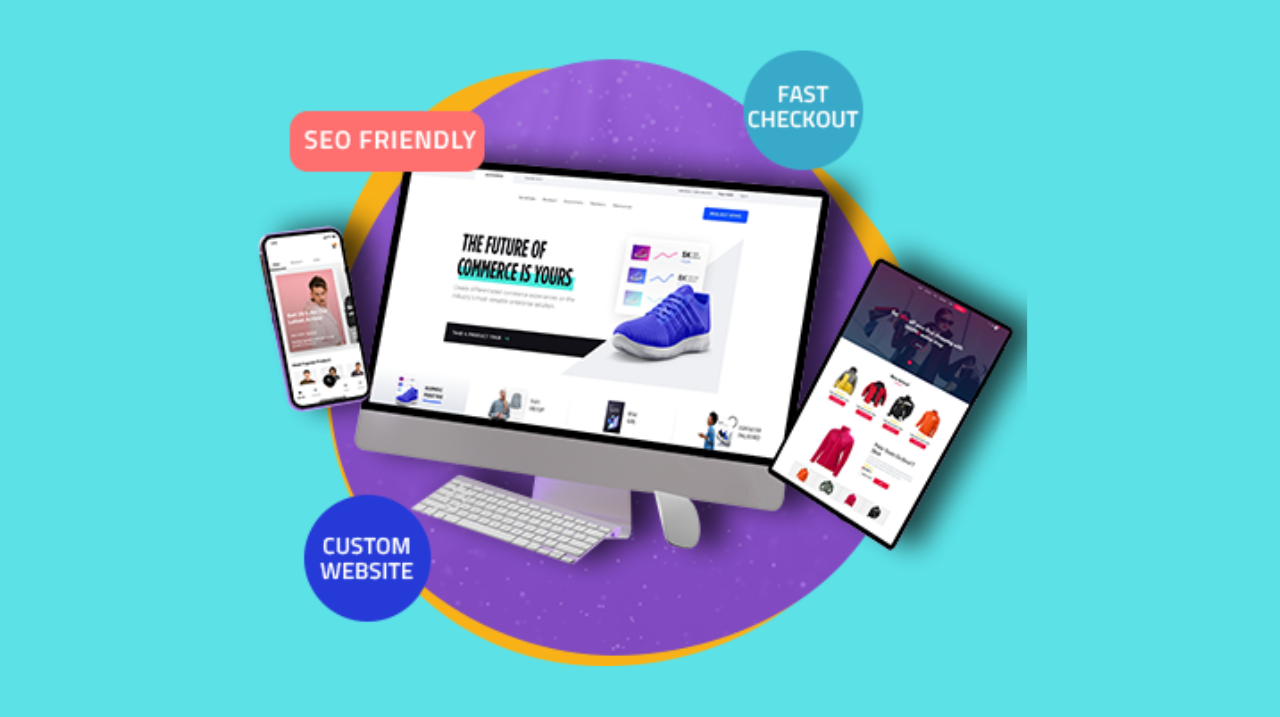
On the other hand, building your own Ecommerce Website is an investment that keeps paying off for years. With your own online store, you don’t just sell products—you build a brand, capture customer loyalty, and keep full control of your profits.
This article will show you why creating your own ecommerce website is more profitable and sustainable than selling only on marketplaces like Amazon or Flipkart.
The Rise of Marketplaces: Amazon, Flipkart & Myntra
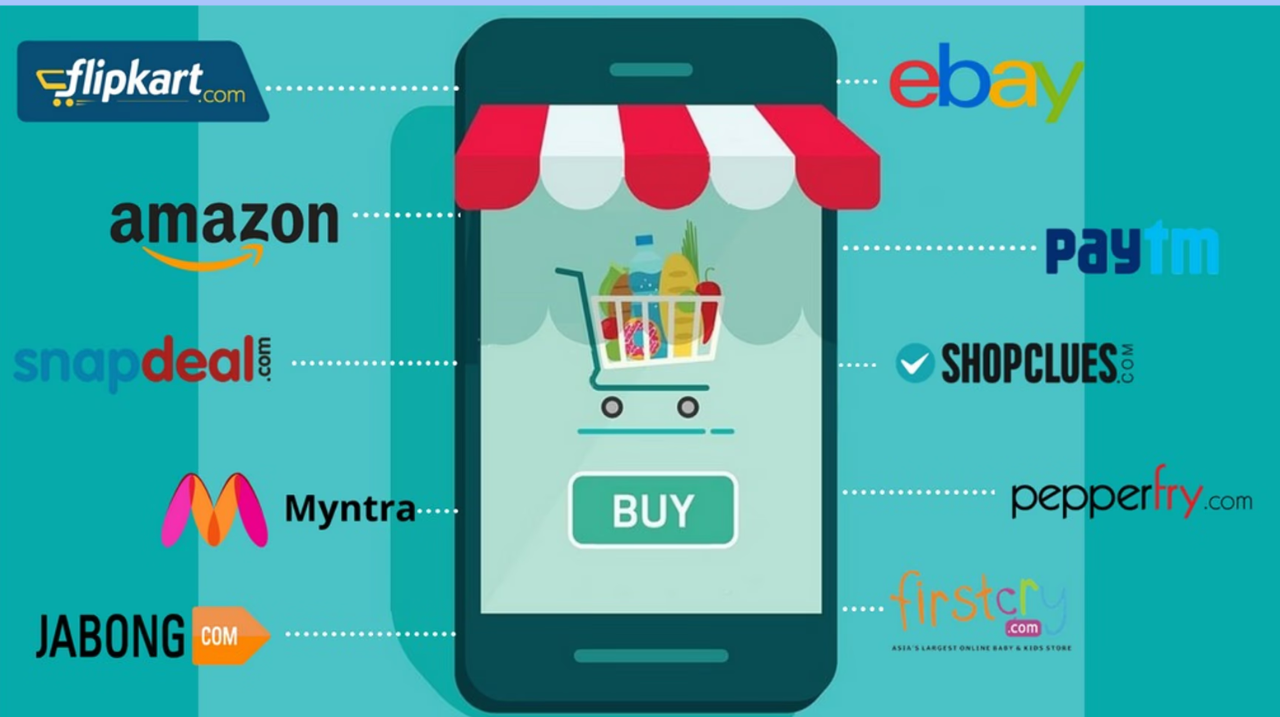
Over the last decade, online marketplaces have dominated the ecommerce scene in India. Platforms like Amazon, Flipkart, and Myntra offer ready-made infrastructure where sellers can list products and reach a massive customer base.
For small businesses, this seems like an attractive entry point:
Quick setup with no website design needed
Access to a large audience instantly
Managed logistics and payment gateways
But this convenience comes at a heavy price, especially if you plan to grow a serious brand.
The Hidden Challenges of Selling on Marketplaces
While marketplaces offer visibility, they also impose strict limitations that hurt your long-term business growth. Let’s break them down.
1. High Commission Fees
Amazon, Flipkart, and other platforms charge 15–25% commission on every sale. Add to this shipping fees, packaging fees, and advertising costs, and your profit margins shrink drastically.
In contrast, your own ecommerce website eliminates these commissions. You only pay for payment gateway charges (usually 2–3%), which means higher profitability.
2. Limited Customer Data Access
Marketplaces never share customer details like email, phone numbers, or purchase history. You can’t send promotional emails, retarget customers, or build loyalty programs.
When someone buys on Amazon, they remember Amazon, not your store name. Your brand gets lost among thousands of sellers.
With your own ecommerce website, you showcase your products under your brand name, with your unique story, visuals, and customer experience. This builds trust, recognition, and long-term loyalty.
4. Restrictive Policies & Rules
Marketplaces dictate terms: return policies, shipping timelines, product listing formats, and even pricing in some cases. One policy violation can get your account suspended.
On your website, you set the rules—return periods, discounts, shipping timelines—everything that suits your business best.
5. Competing with Thousands of Sellers
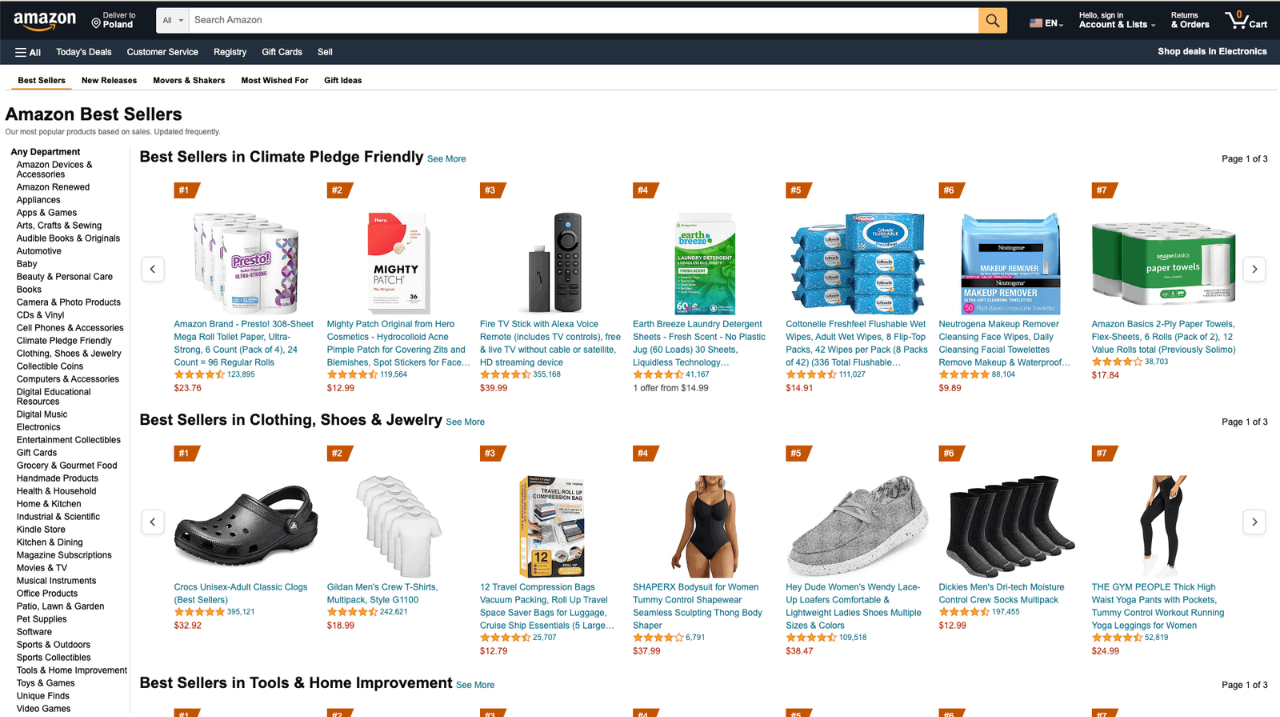
On marketplaces, your product is shown alongside hundreds of similar listings. Often, customers choose the cheapest option, which forces you into a price war that kills profitability.
With an independent ecommerce website, there’s no direct comparison. Customers see only your products, increasing the perceived value of your brand.
Why Your Own Ecommerce Website Wins in the Long Run
Now let’s explore why investing in an ecommerce website is the smarter move for long-term business success.
1. Full Control Over Customer Data
With a marketplace, the platform owns the customer. With your own online store, you own the customer relationship. You can build email lists, create targeted campaigns, and nurture lifetime customers.
2. Build Your Own Brand, Not Someone Else’s
Your ecommerce website design allows you to create a unique shopping experience with your logo, colors, and messaging. Every ad you run builds your brand equity, not Amazon’s.
3. Set Your Own Policies
Whether it’s free shipping, flexible returns, or festive discounts—you decide. This freedom helps you build trust and loyalty on your own terms.
4. Higher Profitability with Zero Commission
No 20% commissions eating into your margins. Every rupee earned is yours, minus minimal hosting and payment processing costs.
5. Better ROI on Ad Spends
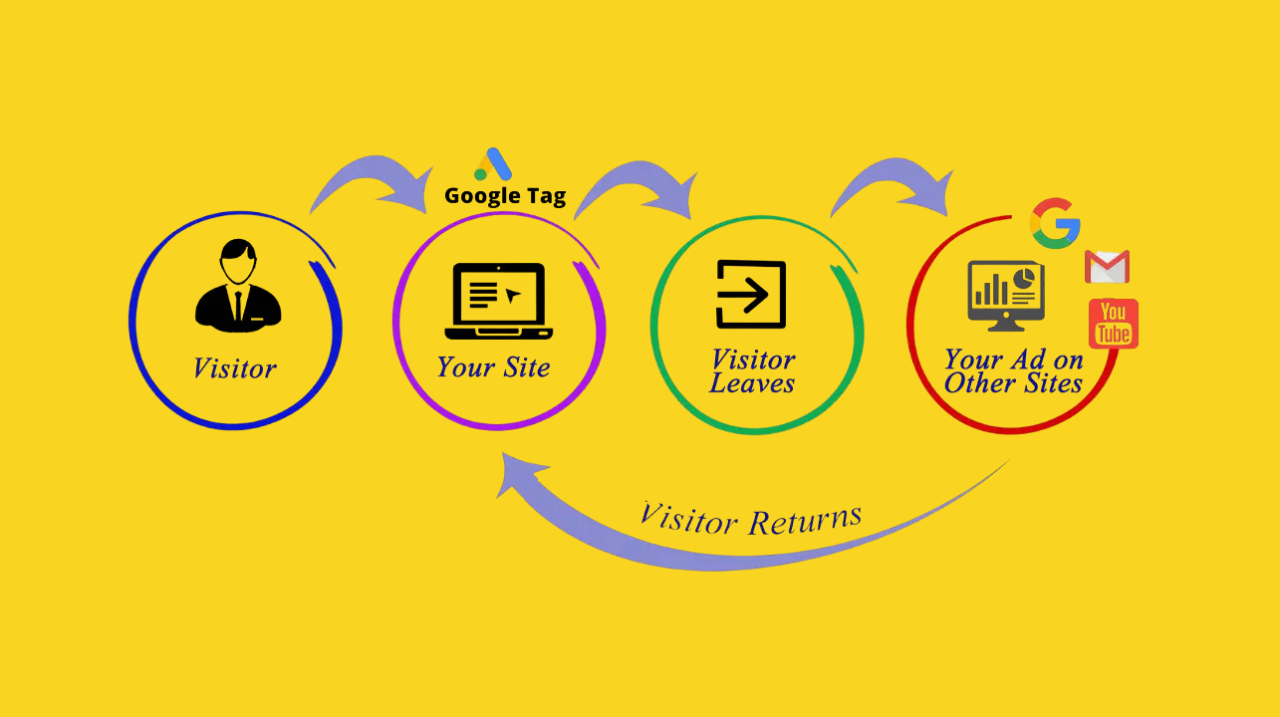
When you run ads for your website, every click brings a customer directly to you. That traffic stays within your ecosystem, where you can retarget and convert them again and again.
With marketplaces, you end up paying ads to promote their platform—not your brand.
6. Direct Customer Engagement & Retargeting
Having access to emails and phone numbers lets you:
Send newsletters about new launches
Offer exclusive discounts
Remind customers of abandoned carts
Encourage repeat orders
This is impossible on Amazon or Flipkart.
7. Long-Term Business Asset Creation
Your website is your digital property. It grows in value as traffic, customers, and brand recognition increase. Unlike marketplace sales that disappear when you stop selling, your website is a long-term asset.
Ecommerce Website Development: Choosing the Right Platform
Once you decide to create your own online store, the next step is choosing the right platform.
WooCommerce
Built on WordPress
Flexible and customizable
Large number of ecommerce templates
SEO-friendly
Shopify
User-friendly and quick setup
Wide range of ecommerce website templates
Great for dropshipping and small businesses
Custom Ecommerce Website Design
Fully tailored to your brand
Scalable for large businesses
Higher upfront cost but more control
Ecommerce Templates vs. Custom Design
Templates are cost-effective and faster to launch. Custom ecommerce website design, however, offers unique branding and advanced features.
Key Features Every Online Store Should Have
Mobile-friendly ecommerce website design
Easy product search & filters
Secure payment gateways
Smooth checkout process
Customer reviews & testimonials
Email capture forms for promotions
Integration with marketing tools (Google Ads, Facebook Ads, Email Marketing)
Cost Comparison: Marketplace vs Ecommerce Website
Marketplace Costs:
15–25% commission per sale
High ad spends to compete
Additional packaging and logistics fees
Ecommerce Website Costs:
One-time ecommerce website development fee
Hosting & domain (low recurring cost)
Minimal payment gateway charges
In the long run, your website is significantly more cost-effective.
Real-Life Scenarios: How Businesses Grow Faster with Their Own Online Store
A clothing brand that shifted from Amazon to its own WooCommerce website saw 30% higher profit margins because there were no commission cuts.
A home décor seller using Shopify built a loyal email list and doubled repeat customers within a year.
A local cosmetics startup used its online store to run targeted Instagram ads, achieving 4x ROI compared to marketplace ads.
Yes, but it’s short-term. Marketplaces are great for quick entry, but for long-term growth, your ecommerce website development gives you full control and higher profits.
It depends on the platform and features. A WooCommerce or Shopify store can start low, while a custom ecommerce website design requires a higher investment but delivers unmatched scalability.
Not necessarily. Platforms like Shopify and WooCommerce are user-friendly. Plus, professional ecommerce website builders can manage design and maintenance for you.
Yes, if designed professionally. A secure, user-friendly ecommerce website design with proper branding builds strong trust among buyers.
Conclusion
Marketplaces like Amazon and Flipkart may give you a quick start, but they keep you trapped in high fees, strict policies, and limited branding.
Your own ecommerce website is more than just an online store—it’s a long-term business asset that gives you full control over profits, customer relationships, and brand growth.
If you’re serious about building a sustainable business, it’s time to invest in your own ecommerce website design.
Ready to own your brand’s future? Contact us today for professional ecommerce website development services that help you build, scale, and dominate online.