- Abhishek Shah
Google Ads vs Facebook Ads: Which is Better for Your Business?
Table of Contents
- Introduction: The Digital Advertising Dilemma
- Understanding the Core Difference: Search vs Social Advertising
- What Are Google Ads?
- What Are Facebook (Meta) Ads?
- Google Ads vs Facebook Ads: Head-to-Head Compariso
- When to Choose Google Ads
- When to Choose Facebook Ads
- The Power of Running Google Ads and Facebook Ads Together
- Practical Scenarios for Business Owners
- Common Mistakes to Avoid in Paid Advertising
- How Our Agency Helps You Choose the Right Platform
- FAQs
- Final Thoughts and Call-to-Action
Introduction: The Digital Advertising Dilemma
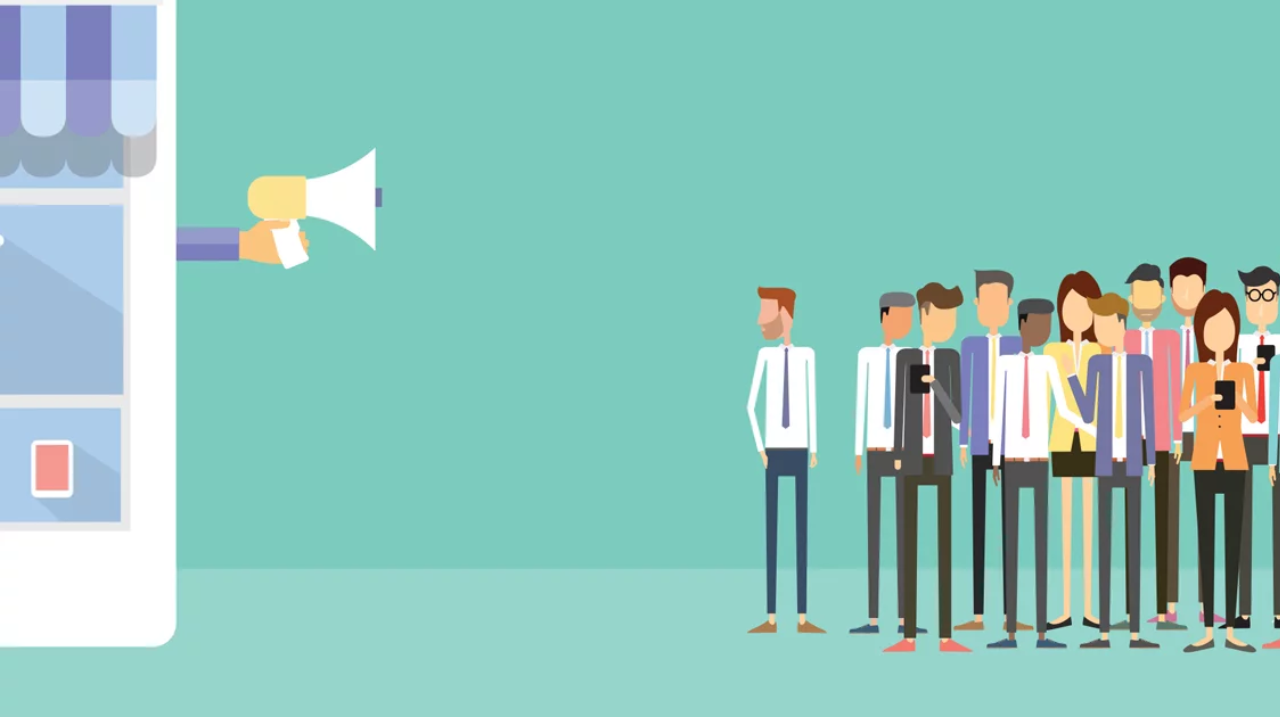
If you’re a business owner or marketing manager, you’ve probably faced the same question countless times: Should I invest in Google Ads or Facebook Ads?
Both platforms dominate the world of digital advertising, but they serve very different purposes. Choosing the right one isn’t just about budget — it’s about aligning your strategy with your customer’s intent.
In this guide, we’ll break down the differences, highlight strengths and weaknesses, and most importantly, show you when to use Google Ads, Facebook Ads (Meta Ads), Instagram Ads, or even YouTube Ads for maximum results.
Understanding the Core Difference: Search vs Social Advertising
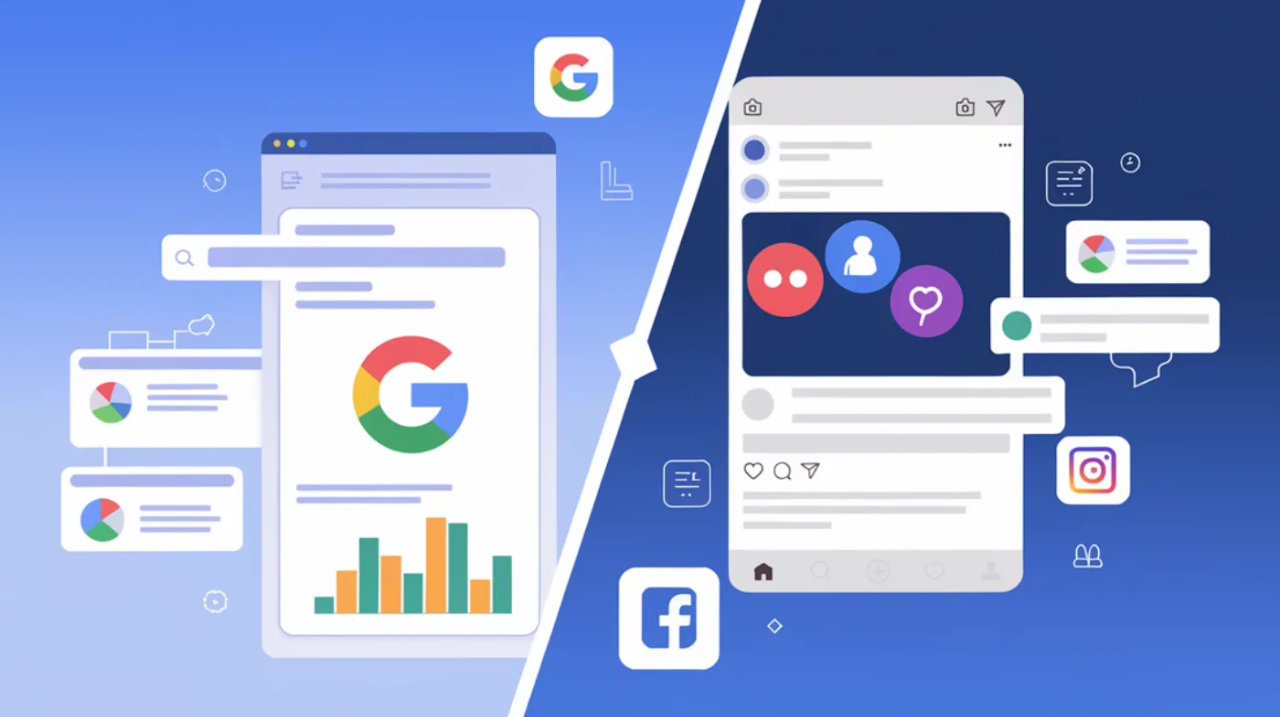
At the highest level, here’s what sets them apart:
- Google Ads = Intent-based advertising. People are actively searching for your product or service. Example: “Best digital marketing agency in Mumbai.”
- Facebook Ads (Meta Ads) = Discovery-based advertising. You’re reaching people based on their interests, demographics, and behavior — even when they aren’t actively looking.
Think of Google as demand fulfillment, and Facebook as demand generation.
What Are Google Ads?
Google Ads is the world’s largest search advertising network. Businesses pay to show their ads when users type keywords into Google, or when they browse apps and websites across the Google Display Network and YouTube.
Types of Google Ads
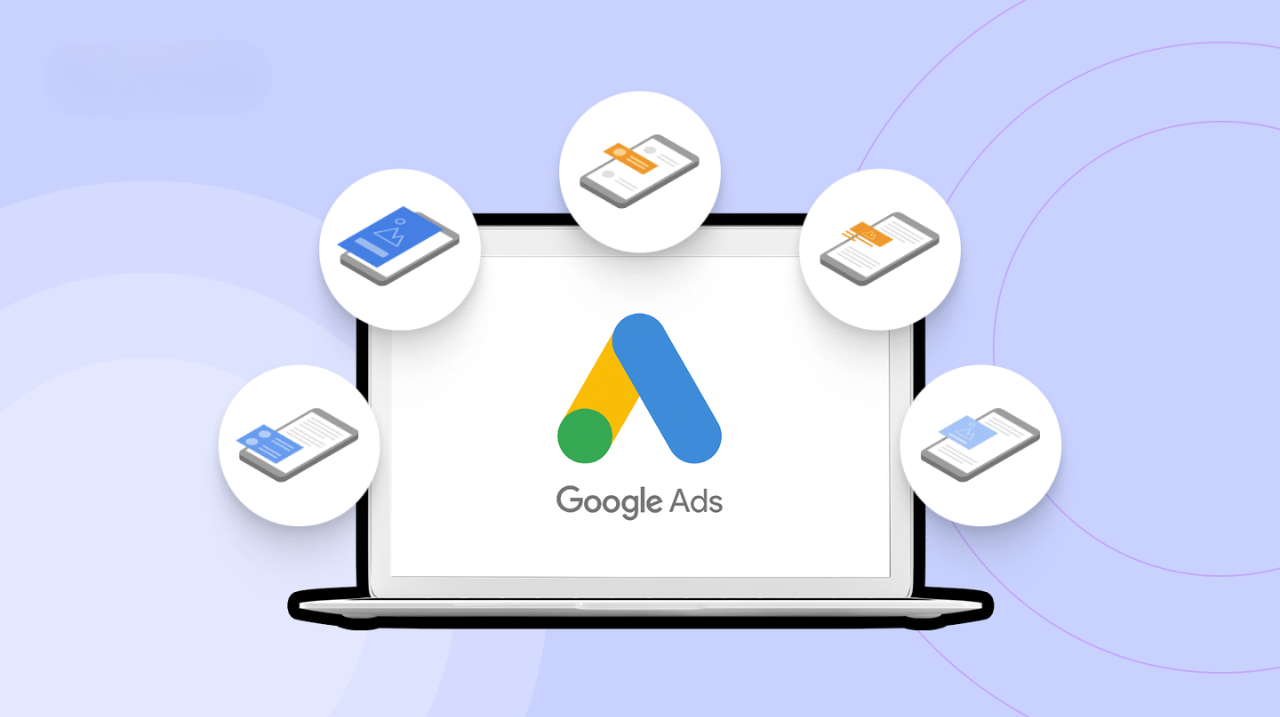
- Search Ads – Text-based ads triggered by specific keywords.
- Display Ads – Image and banner ads shown across millions of partner websites and apps.
- YouTube Ads – Video advertising options (skippable ads, bumper ads, in-stream ads).
- Shopping Ads – Perfect for e-commerce, showing products directly on search results.
- Local Ads – Target nearby audiences looking for physical locations.
Strengths of Google Ads
- High purchase intent — customers already searching.
- Ability to capture immediate leads and sales.
- Flexible budgeting — pay-per-click model.
- Powerful remarketing with Display and YouTube.
- Works for B2B and B2C industries alike.
Limitations of Google Ads
- Competitive industries mean higher CPC (Cost Per Click).
- Requires deep keyword research and bidding strategy.
- Not as effective for brand storytelling compared to social platforms.
What Are Facebook (Meta) Ads?
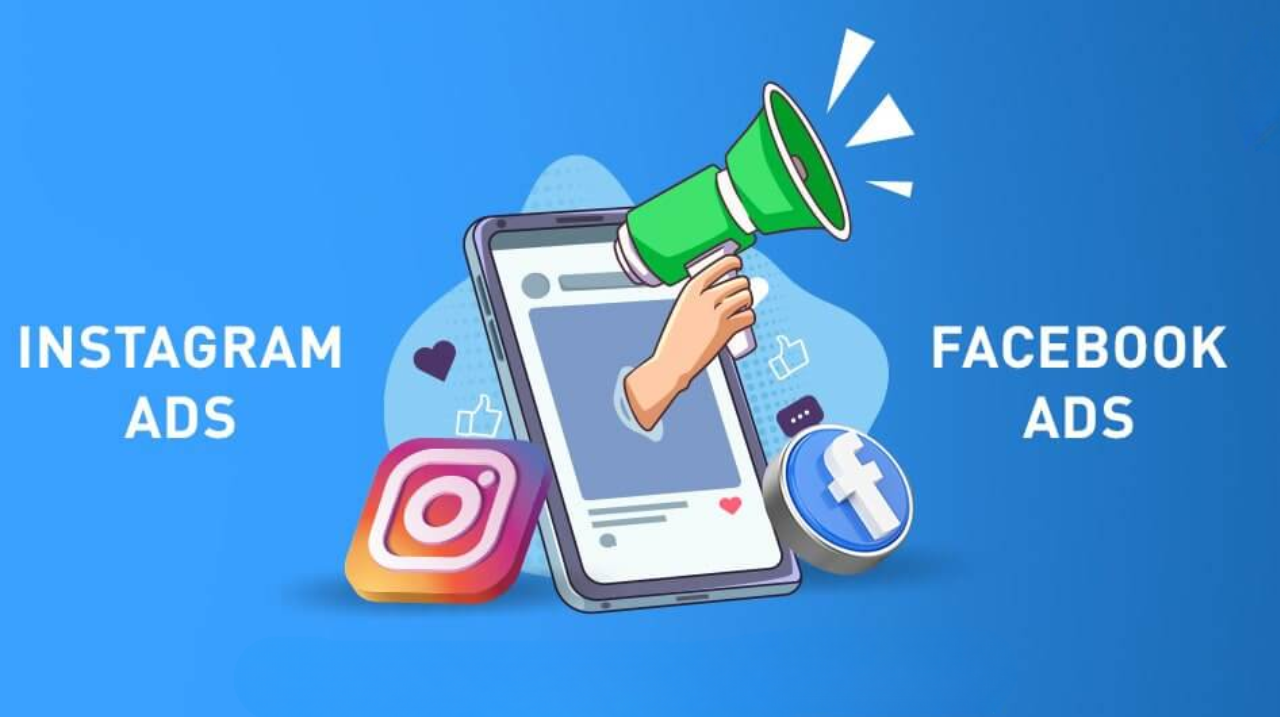
Facebook Ads — also called Meta Ads — include advertising across Facebook, Instagram, Messenger, and Audience Network. Unlike Google, these ads target users based on behavior, interests, and demographics rather than search intent.
Types of Facebook & Instagram Ads
- Image Ads – Simple visuals with text overlays.
- Video Ads – Perfect for engagement and storytelling.
- Carousel Ads – Multiple images/videos in a slider, great for showcasing products.
- Lead Ads – Direct form submissions without leaving Facebook/Instagram.
- Stories & Reels Ads – Full-screen vertical content to capture attention instantly.
Strengths of Facebook Ads
- Advanced targeting (interest, behavior, lookalike audiences).
- Ideal for brand awareness and customer acquisition.
- Strong visual storytelling capabilities.
- Lower cost per thousand impressions (CPM) compared to Google Ads.
- Perfect for remarketing, especially with Instagram Ads.
Limitations of Facebook Ads
- Lower purchase intent compared to Google searches.
- Audience fatigue — ads may become “invisible” if overused.
- Requires high-quality creative assets to stand out.
Google Ads vs Facebook Ads: Head-to-Head Comparison
Feature | Google Ads | Facebook (Meta) Ads |
Audience Intent | High (Users searching for solutions) | Medium/Low (Users scrolling for social content) |
Best For | Leads, sales, direct conversions | Awareness, engagement, nurturing customers |
Targeting | Keyword + demographics | Interest, behavior, lookalike audiences |
Ad Formats | Text, Display, YouTube video | Visual (images, videos, carousels, reels) |
Cost | Higher CPC, but higher-quality leads | Lower average cost, but lower intent |
Speed of Results | Immediate for keywords | Depends on audience testing & scaling |
Remarketing | Google Display + YouTube | Facebook Pixel + Instagram |
When to Choose Google Ads
Google Ads works best when:
- Your product/service solves an immediate problem (e.g., “Plumber near me”).
- You want measurable, high-intent leads quickly.
- You’re in competitive B2B or service industries.
- You already know what keywords your audience is searching for.
When to Choose Facebook Ads
Facebook Ads work best when:
- You want to increase brand visibility and awareness.
- Your product requires education or storytelling (fitness programs, online courses).
- Your audience spends time on Facebook, Instagram, or Messenger.
- You’re building a marketing funnel (awareness → engagement → conversion).
The Power of Running Google Ads and Facebook Ads Together
For many businesses, the answer isn’t “either-or” — but both platforms together.
Here’s why combined strategies excel:
- Google captures hot leads actively searching.
- Facebook/Instagram nurtures cold leads and turns them into warm prospects.
- A prospect who found you on Google might later see a video ad on Instagram, reinforcing trust.
- Retargeting on both platforms maximizes ROI.
This dual-channel approach often outperforms relying on a single platform.
Practical Scenarios for Business Owners
- Local Restaurant: Google Ads for “restaurants near me,” Facebook Ads for promoting special offers/events.
- E-commerce Brand: Facebook & Instagram Ads for awareness, Google Shopping Ads for ready-to-buy users.
- B2B IT Services: Google Ads for keyword-specific leads, LinkedIn Ads + retargeting on Facebook for nurturing.
- Fitness Studio: YouTube Ads for tutorials, Instagram Reels Ads for promotions, Google Local Ads for foot traffic.
Common Mistakes to Avoid in Paid Advertising
- Choosing a platform based only on cost, not intent.
- Not tracking conversions with pixels and analytics.
- Ignoring creative quality — bland ads underperform.
- Running campaigns without testing variations.
- Expecting instant results from brand awareness ads.
How Our Agency Helps You Choose the Right Platform
At DMNINJA, we specialize in helping businesses determine whether Google Ads, Facebook Ads, Instagram Ads, or YouTube Ads will best achieve their goals.
We don’t just run ads — we design ROI-focused campaigns with:
- Smart budget allocation.
- Winning ad creatives that grab attention.
- Advanced audience targeting.
- Conversion tracking to measure real results.
Frequently Asked Questions
It depends on your goals. If you need immediate leads, start with Google Ads. If you want to build brand awareness or scale reach, Facebook Ads work better.
Generally, yes. Facebook Ads often have lower CPM, but Google Ads usually deliver higher-intent leads.
Absolutely. In fact, combining both often yields the best results — capturing search-driven leads while building awareness on social platforms.
No. Instagram Ads are managed through Meta Ads Manager, which covers Facebook, Instagram, Messenger, and Audience Network.
Both can work, but small businesses often see quicker ROI with Google Ads since it targets active searchers. Facebook Ads can then scale awareness.
Final Thoughts
Both Google Ads and Facebook Ads (Meta Ads) can skyrocket your business growth. The choice depends on whether your audience is actively searching or needs to be inspired and discovered.
But the real magic comes when you combine both — maximizing intent-driven conversions from Google while building authority and awareness on Facebook and Instagram.
Ready to choose the right advertising strategy? At DMNINJA, we help businesses like yours create targeted, cost-efficient campaigns that actually drive results.
More Posts