- doortoweb@gmail.com
Local SEO: What Is It & How to Do It
Table of Contents
- What Is Local SEO?
- Why Is Local SEO Unique?
- Why Is Local SEO Important?
- Benefits for Small Businesses
- How Small Businesses Gain
- Key Aspects of Local SEO
- What Is GMB (Google My Business) Optimization?
- How to Do Local SEO Step-by-Step
- Google Maps Optimization
- On-Page SEO for Local Search
- Monitoring Your Local SEO Results
- Frequently Asked Questions (FAQ)
- Call to Action
What Is Local SEO?
Local SEO is a strategic process that amplifies your business’s visibility in geographic-specific online searches. Unlike traditional SEO, which targets broad or global terms, local SEO focuses on reaching customers in your physical vicinity and appearing in “near me” searches on Google, Bing, and other platforms.
Why Is Local SEO Unique?
- Targets the search intent of users nearby
- Leverages business directories and maps (such as Google Maps)
- Works for all regions—large cities, suburbs, small towns, and rural areas
- Encourages foot traffic, calls, and real leads ready to take action
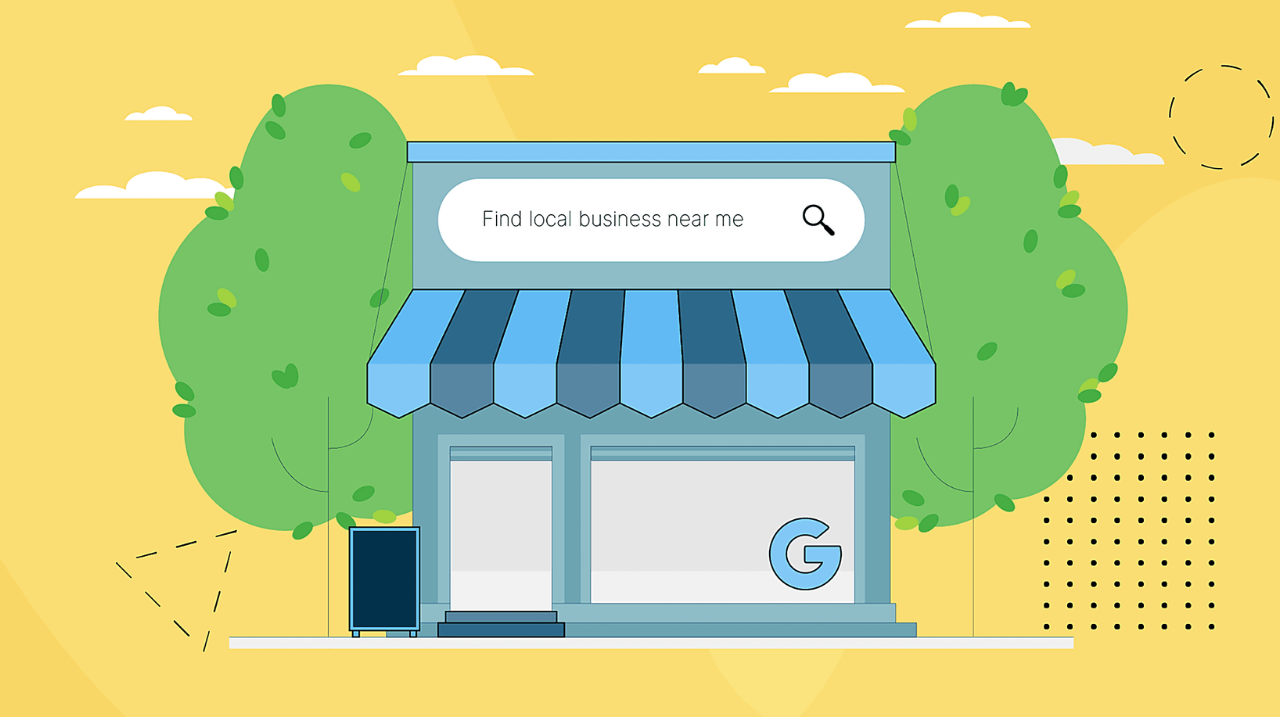
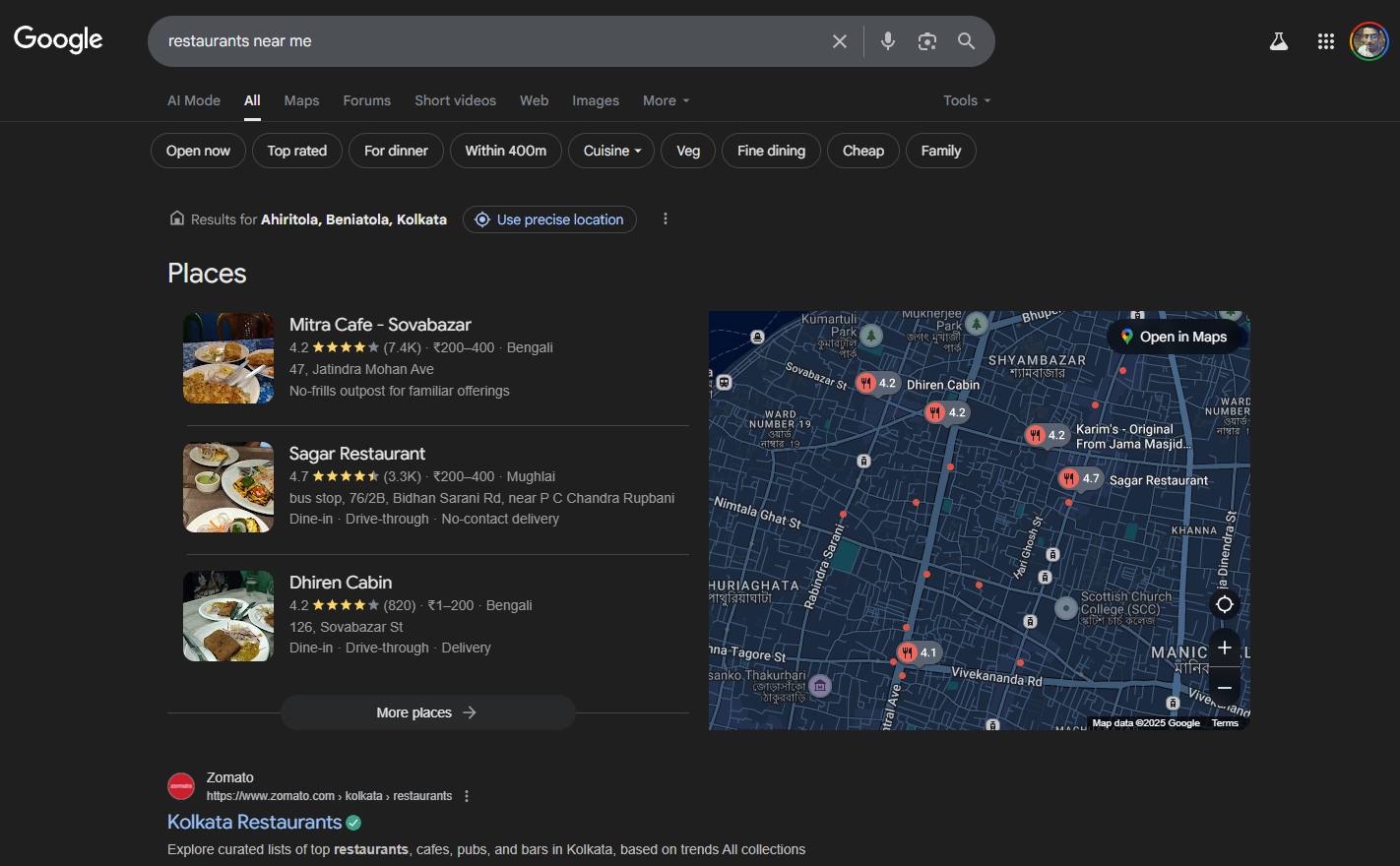
When someone searches for “plumber near me” or “best pizza nearby,” powerful local SEO ensures your business shows up at the top of results.
The local pack—Google’s top-3 map results—is prime real estate for customer acquisition.
Why Is Local SEO Important?
Local SEO matters because:
- It positions your business where customers look for immediate solutions
- Most local searches have urgent intent (“open now,” “near me,” “buy today”)
- Mobile search dominance: people search on their phones while near your business
- Local results are displayed for billions of queries monthly
Businesses with great local SEO see more visits, calls, and sales—often outperforming bigger competitors who ignore local tactics.
Benefits for Small Businesses
Local SEO levels the playing field for small and medium businesses.
How Small Businesses Gain
- More in-person visits: Most “near me” searches lead to a visit within a day
- Higher conversions: Local intent means shoppers are ready to buy
- Cost-effective marketing: Organic rankings provide free exposure compared to paid ads
- Repeat customers: Community trust and visibility drive loyalty
- Better reviews and reputation: Active, visible businesses get more positive ratings
Key Aspects of Local SEO
To become more discoverable, your strategy must cover these elements:
1. Google Business Profile (GBP, formerly GMB)
- List complete address, hours, phone, and website
- Choose accurate categories and attributes
- Add business photos, updates, and offers
- Actively manage and respond to reviews
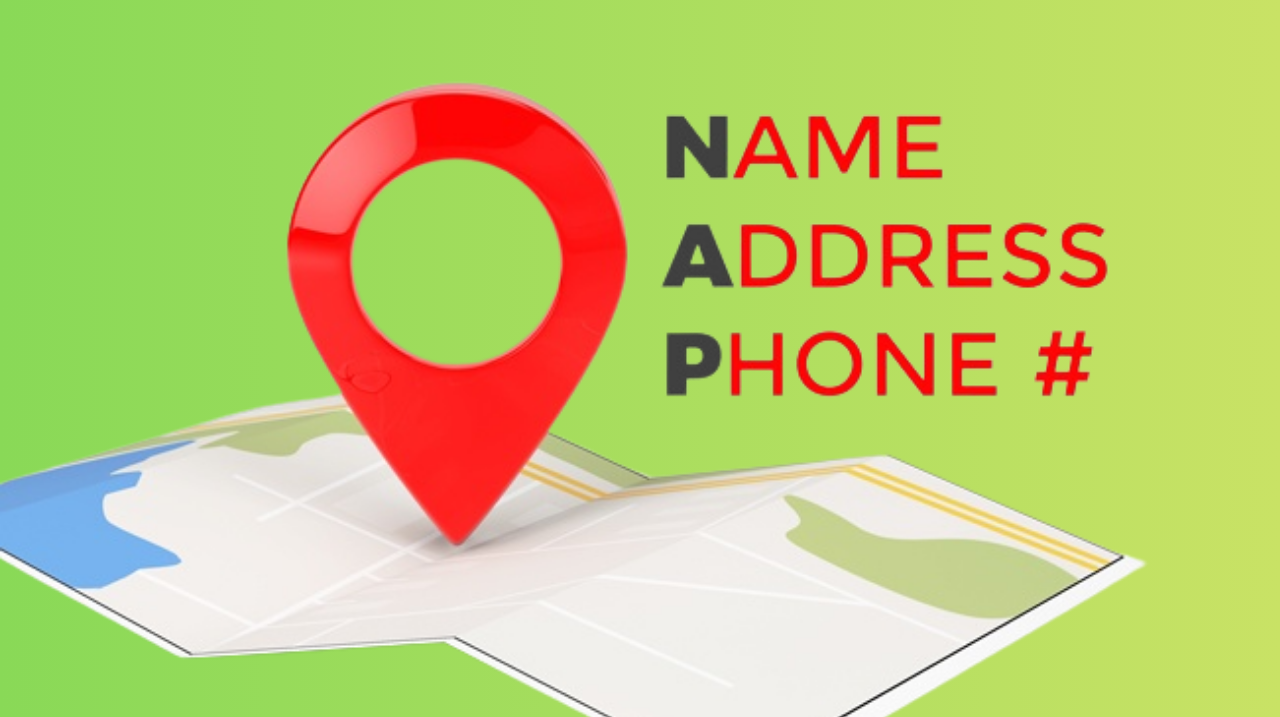
2. NAP Consistency (Name, Address, Phone Number)
- Make your details identical everywhere online—websites, directories, social profiles—so search engines trust your business is legitimate
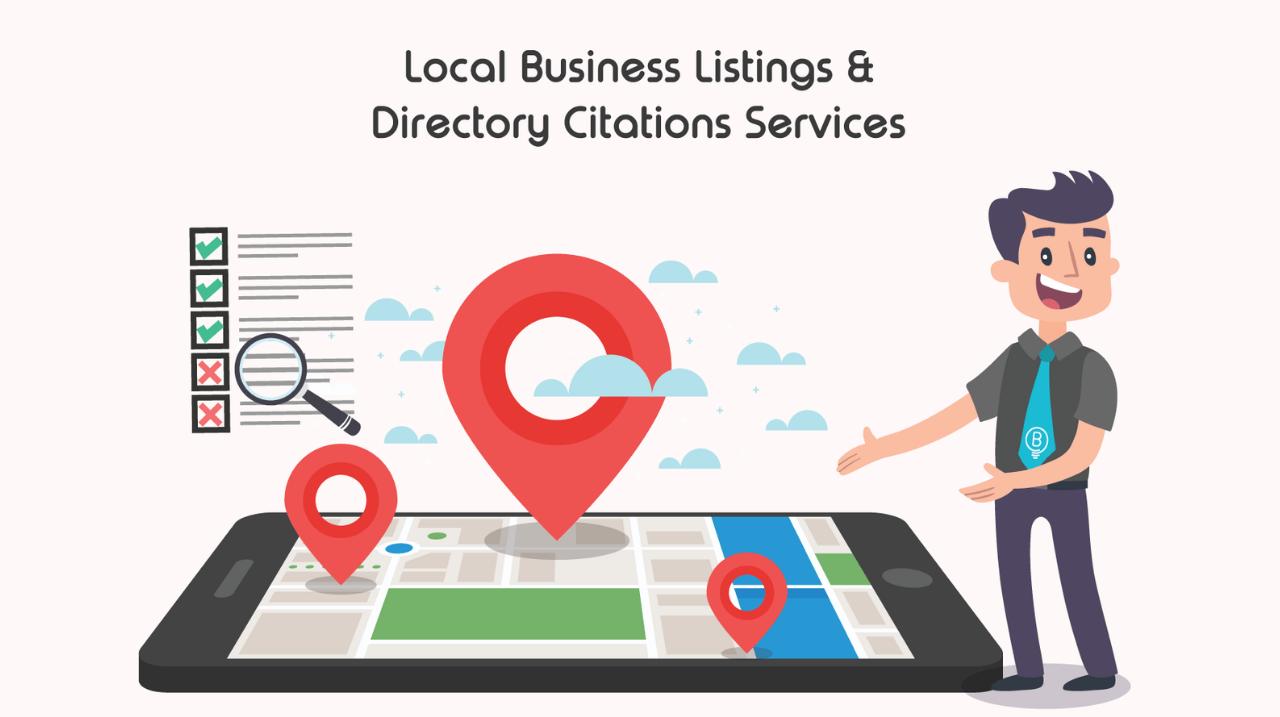
3. Local Citations & Directories
- Business mentions across trusted platforms, like Yelp, TripAdvisor, Facebook, and industry sites
- Each complete and accurate citation boosts trust.
4. Reviews & Reputation Management
- Proactively collect Google and other platform reviews
- Respond to each customer review, both positive and negative
- Address issues diplomatically for public trust
5. Local Keywords & Content
- Integrate location-specific phrases seamlessly into your metadata, page content, and calls-to-action
- Target long-tail keywords (“emergency dentist near me,” “pet store open now”)
6. Local Backlinks
- Obtain links from community groups, news outlets, event sites, and local business partners
7. User Experience & Mobile Optimization
- Fast, simple-to-navigate site with mobile-first design ensures engagement from mobile users searching locally
What Is GMB (Google My Business) Optimization?
GMB Optimization means maximizing your Google Business Profile to rank in local search and Google Maps.
Essential Steps:
- Claim and verify your listing: Prove ownership to Google
- Complete all fields accurately: Address, phone, categories, products/services, attributes
- Add high-quality, relevant images: Products, team, storefront, events
- Encourage and monitor reviews: Reply promptly to boost trust
- Use Posts & Updates: Share events, offers, and timely info
- Track performance with GBP Insights: Analyze clicks, requests, and engagement
GMB optimization is often the #1 factor for appearing in map packs and converting local searchers.
How to Do Local SEO Step-by-Step
Take these steps for a robust Local SEO campaign:
1. Local Keyword Research
- Use Google, autocomplete suggestions, and SEO tools to find what people search in your area (“best hair salon near me,” “24-hour emergency vet”)
- Research competitors for untapped terms
2. Google Business Profile Optimization
- Fill out every business profile field completely
- Update regularly as your hours, offers, or services change
- Add new photos and respond to reviews weekly
3. NAP Consistency
- Audit every online mention of your business
- Correct outdated phone numbers or addresses everywhere they appear
4. Build Citations on Local Directories
- Submit your business to respected directories in your industry
- Initiate listings on platforms such as Apple Maps, Yelp, Bing Places, and Facebook
5. Get Reviews & Manage Reputation
- Ask happy customers for Google reviews via in-person, email, or SMS
- Make review requests a standard process after each interaction
- Always reply to reviews, addressing feedback professionally
6. Website Optimization for Local SEO
- Add location and service keywords to page titles, meta descriptions, headlines, and throughout your content
- Embed Google Maps and use LocalBusiness schema markup
- Make dedicated pages for different services or areas you serve
- Optimize website speed and ensure it’s mobile-friendly
7. Build Local Backlinks
- Partner with local media, sponsor events, and collaborate with community organizations
- Seek out “Partners,” “Supporters,” or “Resources” pages for link opportunities
8. Track Results and Adapt
- Use Google Business Profile Insights and Google Analytics to monitor visits, calls, and engagement
- Track organic keyword rankings and map pack positions
- Adjust tactics monthly based on performance metrics
Google Maps Optimization
Google Maps is a powerhouse for local exposure.
Steps for Success:
- Claim and verify your business location
- Fill in hours, amenities, booking links, and service areas
- Upload photos with descriptive filenames
- Keep information updated and accurate
- Encourage customers to leave reviews, using direct links or QR codes
Advanced Tactics:
- Add UTM parameters to your website link on Google Maps for tracking
- Embed Google Maps on your website to reinforce location signals
- Optimize for voice search queries (“Where’s the closest dry cleaner?”)
On-Page SEO for Local Search
Strong on-page SEO helps you rank in regular organic results—often the next decision point after the map pack.
Top Tips:
- Use location-specific keywords in titles, headers, and body text
- Add schema markup: LocalBusiness, address, opening hours, geocoordinates
- Create unique content for each service and location
- Use internal linking to tie related pages together
- Embed a Google Map on your contact page
- Make it easy to call, visit, or contact you from any page
Monitoring Your Local SEO Results
Track and measure Local SEO success for continued growth:
Key Metrics
- Rank tracking for local keywords (tools like SEMrush, Ahrefs, Moz)
- Map pack appearance for core search terms
- Clicks, calls, and direction requests from Google Business Profile Insights
- Website traffic, especially from local visitors (Google Analytics)
- Review count, average rating, and sentiment trends across platforms
Regular monitoring helps you identify:
- Visibility gaps and new opportunities
- Emerging competitors
- Keywords or pages that need a boost
Frequently Asked Questions
Local SEO targets searches with geographic intent, aiming to connect businesses with nearby customers, while traditional SEO focuses on broader, non-location-based queries.
It’s the fastest, most cost-effective way to get found by customers ready to visit or buy, outshining larger competitors in local results.
Fill out all details, keep info up to date, add photos, post updates, and reply to customer reviews regularly.
Name, Address, Phone citations confirm your business’s legitimacy and build trust; consistency across all platforms boosts search engine confidence.
Ask in-person, automate requests via email/SMS, embed review buttons or QR codes in marketing materials, and always reply to reviews publicly.
Links from other local organizations, news sites, event listings, and community partners that reinforce your business’s presence in the region.
Most businesses see improvement within a few weeks, but SEO is a long-term process that delivers compounding benefits over time.
Call-to-Action
Ready to dominate local search and win more customers?
Contact our Local SEO experts today for a free audit and personalized strategy session.
Let’s make your business the top choice in your area!
This comprehensive guide gives you everything you need to succeed with Local SEO. By combining targeted keywords, GMB optimization, reputation-building, and strategic outreach, your business can achieve sustainable growth and stand out in local search results. Whether you’re a shop owner, service provider, or marketer, investing in local SEO today prepares you for long-term success—no matter your industry or location.
Want help implementing these strategies and growing your local presence? Request your no-obligation consultation and get ready to claim your spot in local search results!