- doortoweb@gmail.com
The Complete Guide to SEO for Small Businesses in India
In today’s digital age, Search Engine Optimisation (SEO) is no longer optional for small businesses in India—it’s a necessity. Whether you’re a local shop owner, a service provider, or an online startup, the internet is where your potential customers are searching for you. And unless your business appears in those search results, you’re missing out on valuable traffic, leads, and sales.
This comprehensive guide to SEO for small businesses in India will help you understand the fundamentals, strategies, and best practices to boost your online visibility, attract the right audience, and grow your business sustainably using long-tail keywords and white-hat SEO techniques.
What is SEO and Why It Matters for Small Businesses?
Search Engine Optimisation (SEO) refers to the process of improving your website’s visibility on search engines like Google, Bing, and Yahoo. When someone types a query (like “best bakery in Pune” or “affordable digital marketing services in India”), SEO determines whether your business shows up on page one or gets buried in the results.
For small businesses in India, SEO offers a cost-effective way to compete with larger corporations. Unlike paid ads that stop once your budget ends, organic SEO delivers long-term value by helping your website rank higher naturally.
Benefits of SEO for Small Businesses in India
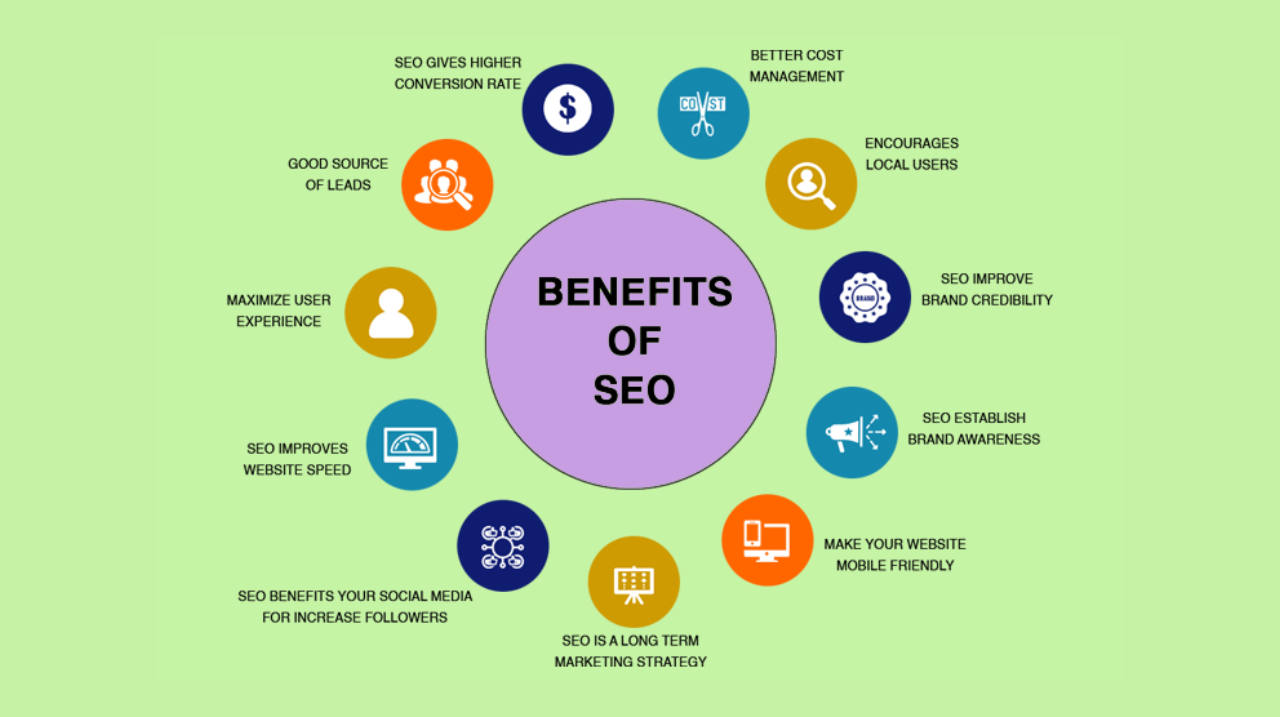
- Increased Visibility: Ranking higher in search results means more eyeballs on your business.
- Better Quality Traffic: SEO brings people who are actively searching for your products or services.
- Cost-Effective Marketing: SEO offers long-term ROI without recurring ad spends.
- Local Reach: Local SEO helps businesses target nearby customers using city or region-specific long-tail keywords.
- Builds Trust and Credibility: Ranking high organically signals trustworthiness to users.
Understanding the Indian SEO Landscape
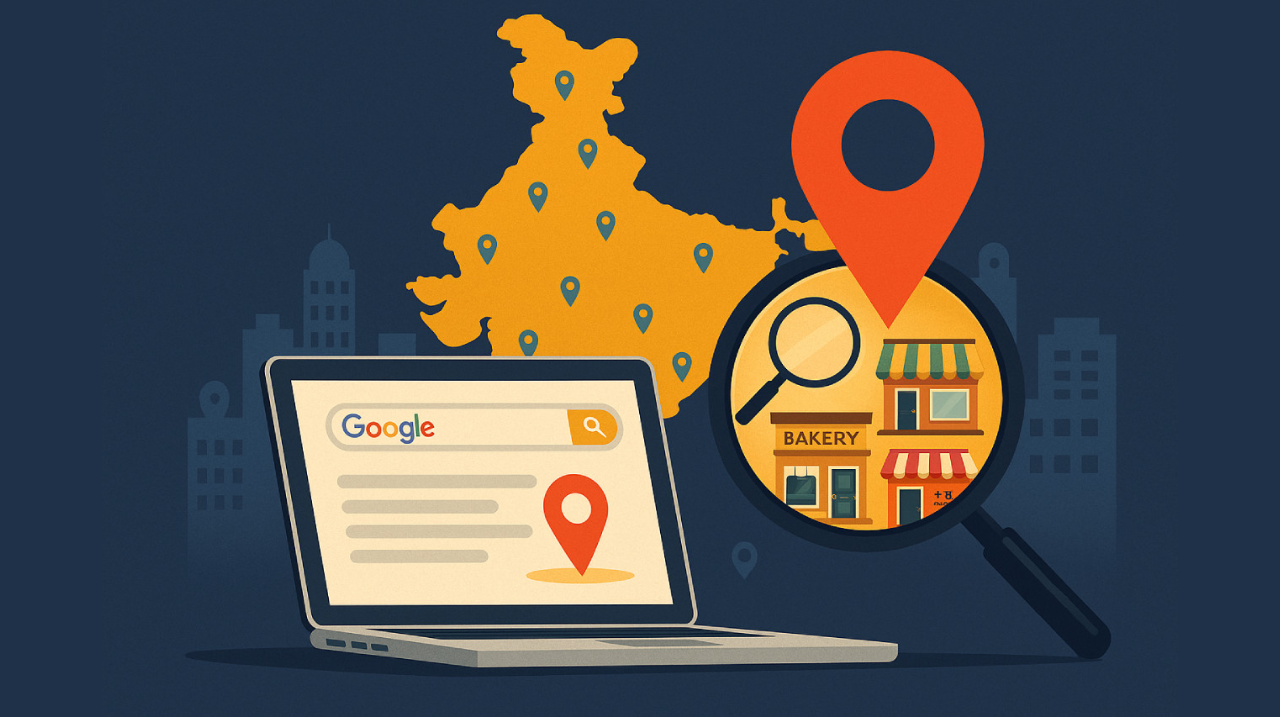
The Indian market is unique. With over 800 million internet users, mobile-first behavior, and a growing reliance on Google for everything from food to finance, SEO in India must be localised, language-sensitive, and tailored to varied user intent.
Key Challenges Indian Small Businesses Face:
- High competition in metro cities
- Limited budgets
- Lack of in-house SEO expertise
- Overreliance on outdated SEO tricks
But with the right strategy, small businesses can not only compete—but dominate—niche search results.
Core Components of an Effective SEO Strategy
Let’s break down the key components of a strong SEO foundation for small businesses:
1. Keyword Research: Start with the Right Long-Tail Keywords
Long-tail keywords are longer, more specific keyword phrases that visitors are more likely to use when they’re closer to a point of purchase.
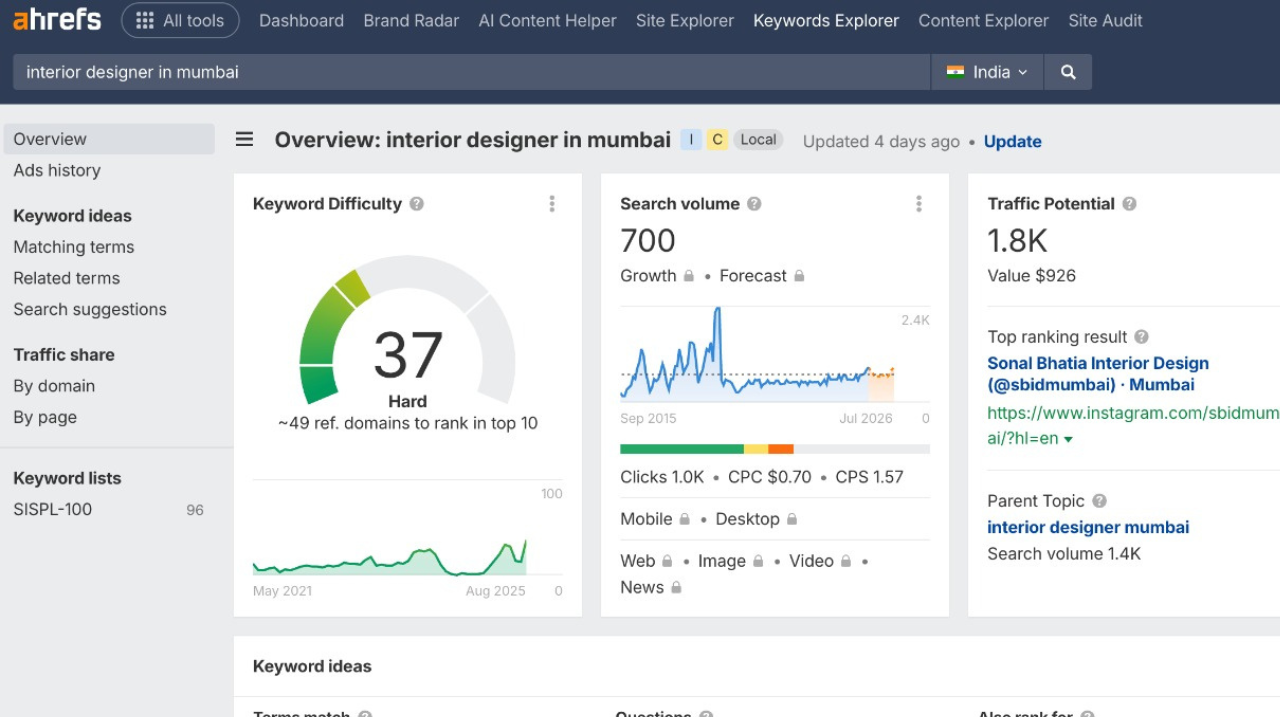
Examples:
- “Best interior designer in South Mumbai”
- “Affordable website development for NGOs in India”
- “Organic skincare for men in India”
Why long-tail?:
- Easier to rank
- Lower competition
- Higher conversion rate
Tools for keyword research:
Focus on keywords with moderate search volume and high buyer intent relevant to your business.
2. On-Page SEO: Optimising What’s on Your Website
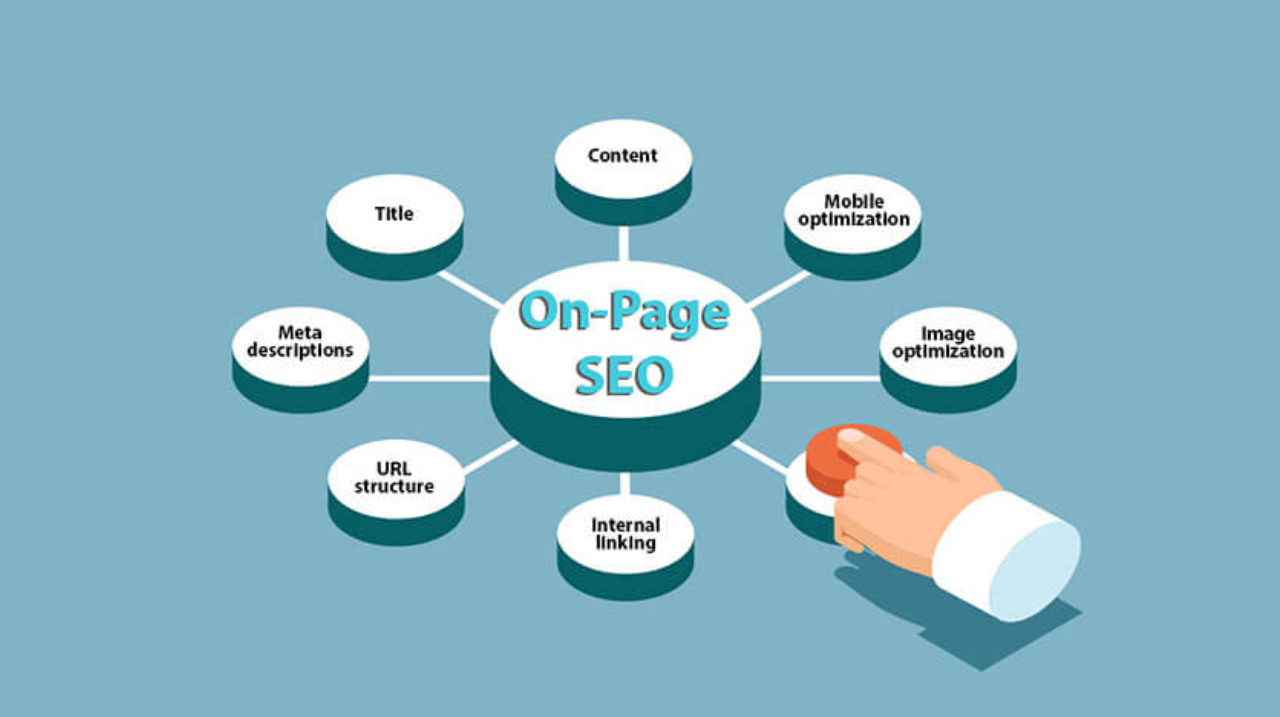
On-page SEO involves optimising individual web pages to rank higher and earn relevant traffic.
Key elements to optimise:
- Title Tags: Include primary keywords. E.g., “Affordable SEO Services for Small Businesses in India”
- Meta Descriptions: Persuasive and keyword-rich.
- Headings (H1-H6): Structure your content for readability and SEO.
- URL Structure: Keep it clean and keyword-friendly (e.g., yoursite.com/seo-services-india).
- Content: High-quality, original, valuable, and optimised with keywords naturally.
- Internal Linking: Link to other related pages on your site to improve user experience and crawlability.
Image Optimisation: Use relevant file names and alt text with keywords.
3. Technical SEO: Building a Search-Friendly Website
Technical SEO ensures your website is easy to crawl, secure, and user-friendly.
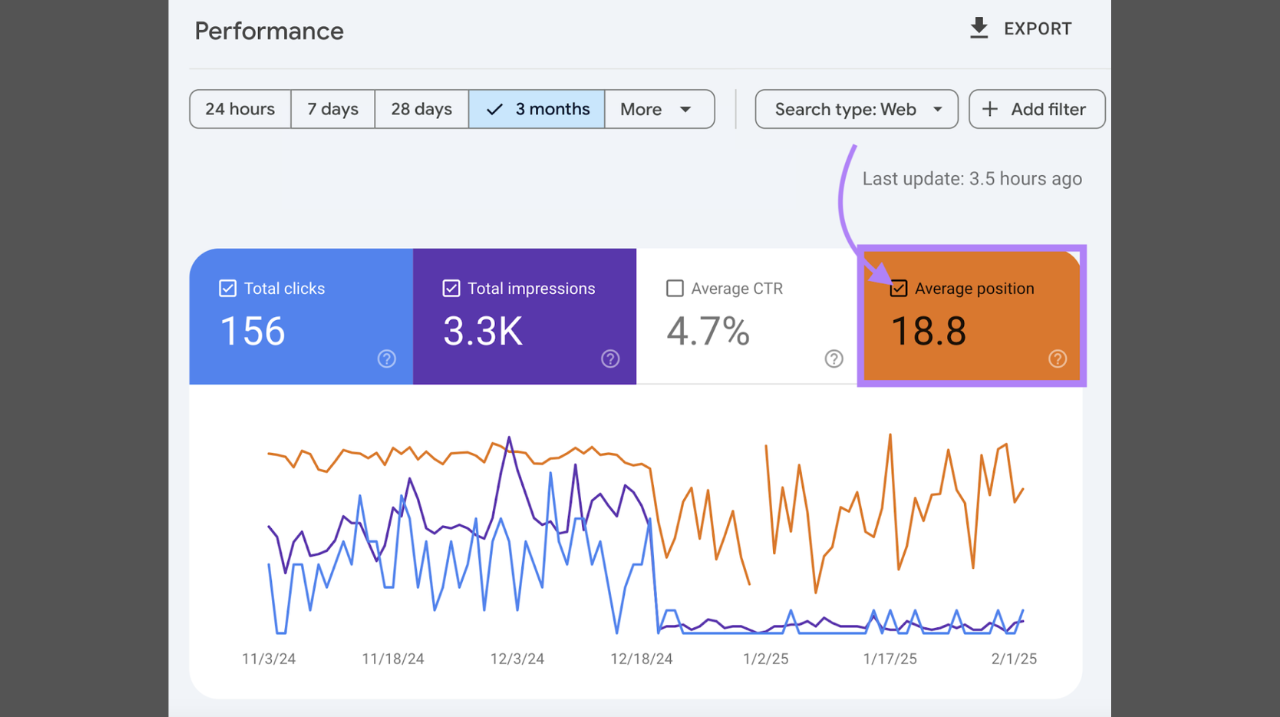
Essential technical SEO elements:
- Mobile-friendliness: With 90%+ users accessing via smartphones, responsive design is crucial.
- Page speed: Use tools like Google PageSpeed Insights to improve loading time.
- Secure (HTTPS): Install an SSL certificate.
- Sitemap and Robots.txt: Help search engines understand and navigate your site.
- Canonical Tags: Avoid duplicate content issues.
- Fix broken links: Use tools like Screaming Frog to detect and fix 404 errors.
4. Local SEO: Win in Your Neighborhood
Local SEO helps your business show up in “near me” or geo-specific searches.
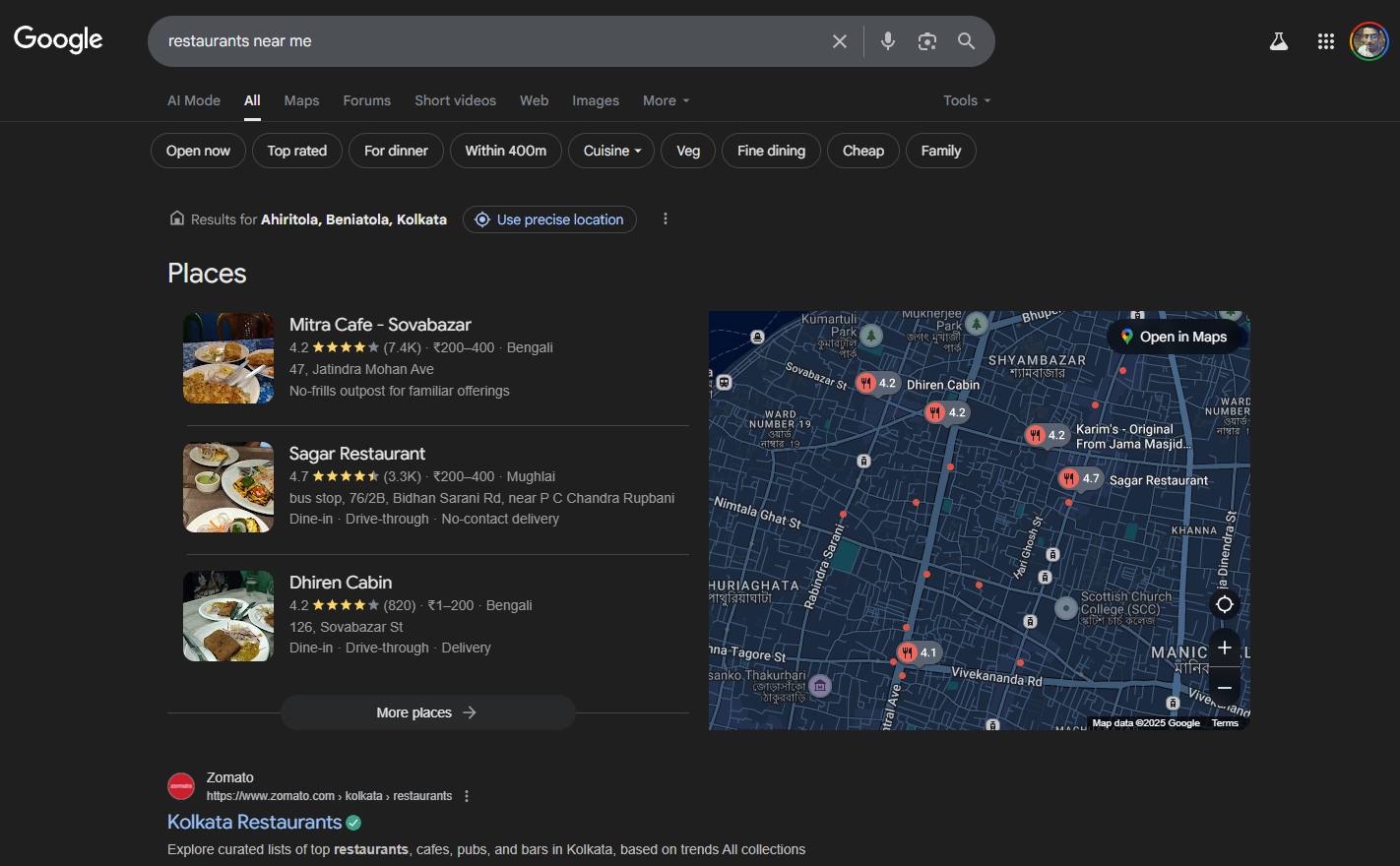
Steps to optimise for local SEO:
- Claim and verify your Google Business Profile.
- Ensure NAP (Name, Address, Phone Number) consistency across online directories.
- Add business to local directories like JustDial, Sulekha, IndiaMART, and Yelp India.
- Encourage Google Reviews from happy customers.
- Use local long-tail keywords like “plumber in Andheri East” or “best yoga classes in Delhi”.
5. Content Marketing: Fuel for SEO
Quality content not only attracts users but also earns backlinks, improves authority, and supports keyword targeting.

Ideas for content:
- How-to guides (e.g., “How to Choose the Right SEO Agency in India”)
- Case studies
- FAQs
- Local success stories
- Comparison posts (e.g., “SEO vs Google Ads for Small Businesses in India”)
Tip: Publish blogs regularly using long-tail keywords and answer real user questions. Use tools like “Answer the Public” or Google’s “People also ask” for ideas.
6. Off-Page SEO: Build Authority and Backlinks
Off-page SEO involves strategies to build your website’s authority through external signals.
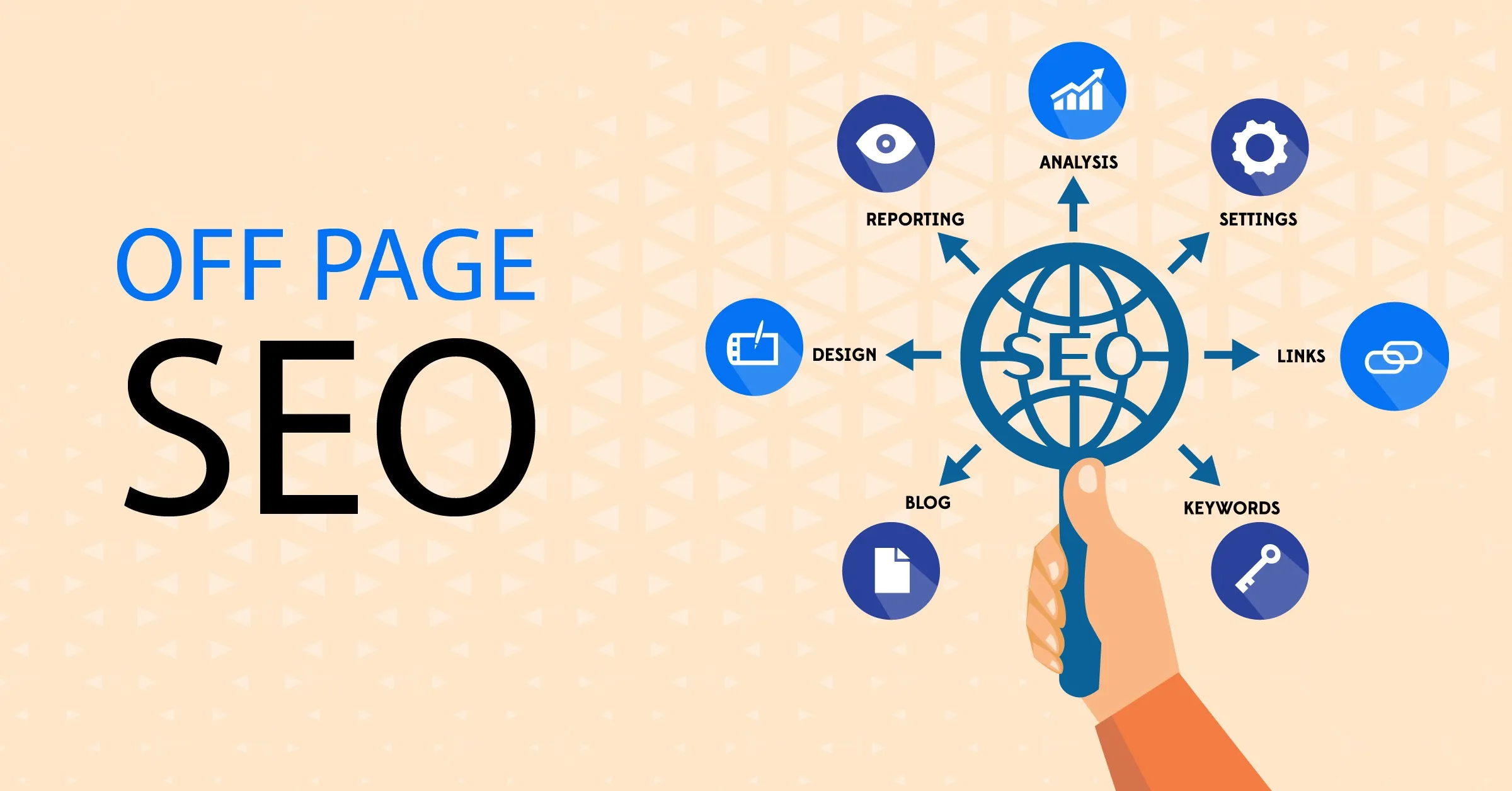
Key tactics:
- Backlink building from relevant Indian websites, blogs, and news portals.
- Guest posting on high-DA Indian business blogs.
- Local citations from business directories.
- Social media engagement to drive traffic and shares.
- Collaborations with influencers or niche partners.
Remember: focus on quality over quantity. One link from a respected site is worth more than 10 spammy ones.
7. Tracking and Analytics
You can’t improve what you don’t measure.
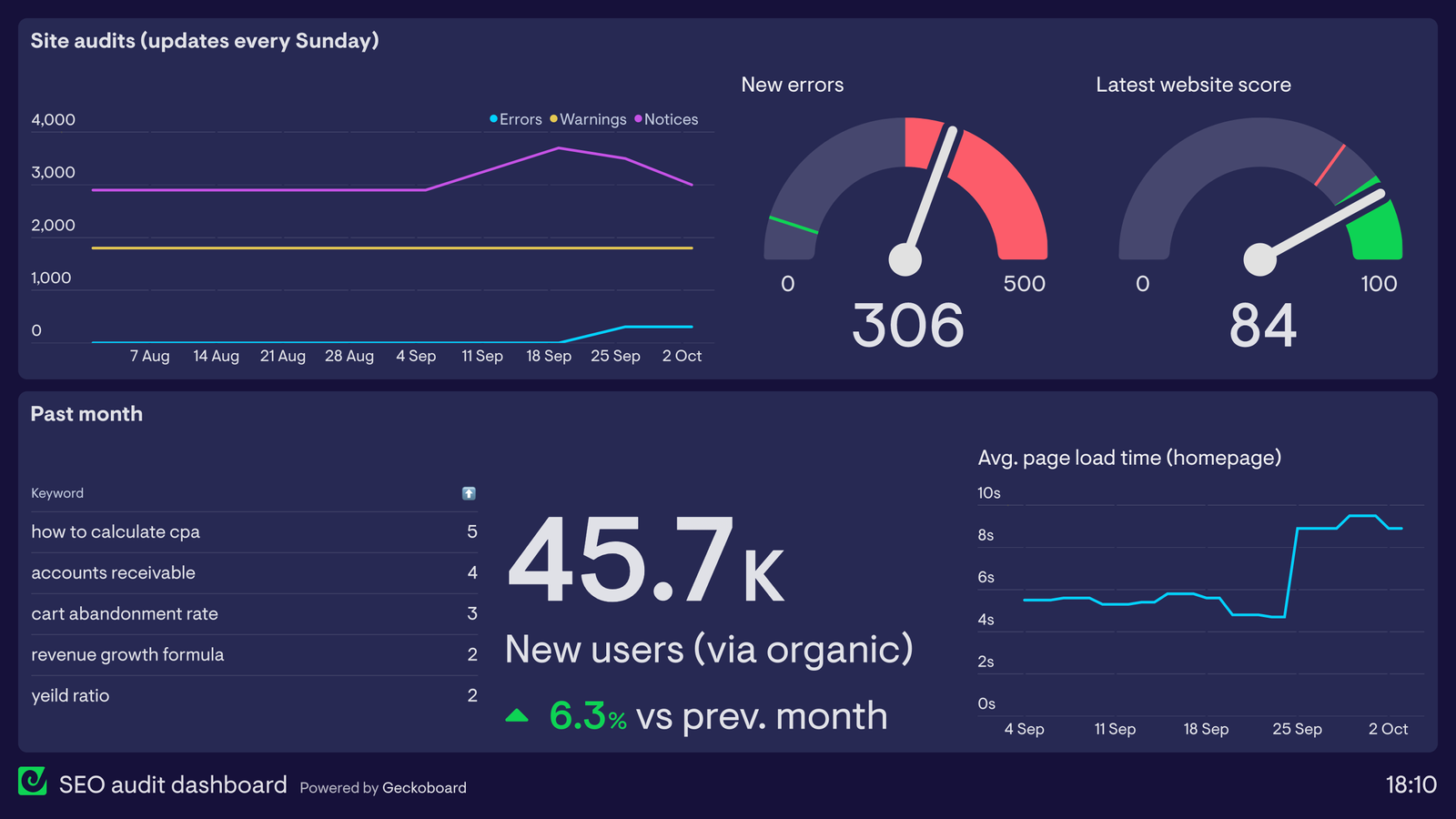
Tools to track SEO performance:
- Google Analytics: Measure traffic, bounce rate, conversions.
- Google Search Console: Monitor indexing, keyword ranking, click-through rate.
- SEMRush / Ahrefs: Advanced keyword tracking, backlink audits, competitor analysis.
Check key metrics like:
- Organic traffic growth
- Keyword rankings
- Pages with high bounce rate
- Conversion from SEO leads
Common SEO Mistakes to Avoid
- Keyword stuffing: Overloading content with keywords makes it unreadable.
- Buying backlinks: Google penalises shady link-building tactics.
- Neglecting mobile optimisation: Over 70% of Indian users are on mobile.
- Not updating content: SEO is ongoing—update blogs, fix broken links, refresh data.
- Ignoring local SEO: Missing out on nearby customers.
Affordable SEO Tips for Budget-Conscious Businesses

Small businesses in India often operate on tight budgets. Here are some cost-effective SEO strategies:
- Use free tools like Google Keyword Planner and Search Console.
- Write your own blogs using long-tail keywords.
- Leverage WhatsApp, Facebook Groups, and LinkedIn for content distribution.
- Focus on niche keywords with low competition.
- Outsource only technical tasks, manage content in-house.
Hiring an SEO Expert or DIY?

When to hire an SEO expert:
- No time to manage SEO
- Need faster results
- Website has technical issues
- You’re scaling operations
When to do it yourself:
- You’re in the early stage
- Budget is limited
- You enjoy writing content
- You have time to learn
Whether you choose to DIY or hire an agency, remember that SEO is a long-term investment.
SEO Trends for Indian Small Businesses (2025 and Beyond)

- Voice search optimisation: Long-tail, conversational keywords will rule.
- Video SEO: Short videos and YouTube optimisation will boost reach.
- AI-powered search: Tools like Google’s Search Generative Experience (SGE) will reward helpful, original content.
- Multi-language SEO: Target users in Hindi, Tamil, Bengali, etc.
- Mobile-first indexing: Google now prioritises mobile versions of sites.
Final Thoughts
SEO for small businesses in India isn’t a mystery—it’s a method. By focusing on relevant long-tail keywords, optimising your site for both users and search engines, and consistently creating value-rich content, you can drive organic growth even in a competitive landscape.
Remember, SEO is not a one-time task—it’s an ongoing process that evolves with your business, your audience, and search engine algorithms.
Start small, stay consistent, and watch your business rise in the search rankings—one keyword at a time.
Ready to Take the Next Step?
If you’re a small business owner in India looking to build your online presence through SEO, begin with keyword research and optimise your Google Business Profile today. Every click, every search, and every page visit can be a potential customer journey—make sure they find you.
More Posts